
This article is based on the short video published in our YouTube channel Different Types of Dashboards. The objective is to understand the different types of dashboards, its the functionalities and how it will impact the business.
In this short video, it briefly explains the fundamental of Digital Marketing which includes the following:
- What is a Dashboard?
- What types of dashboards?
- How can we access to the dashboards?
- What’s the benefits for the business?
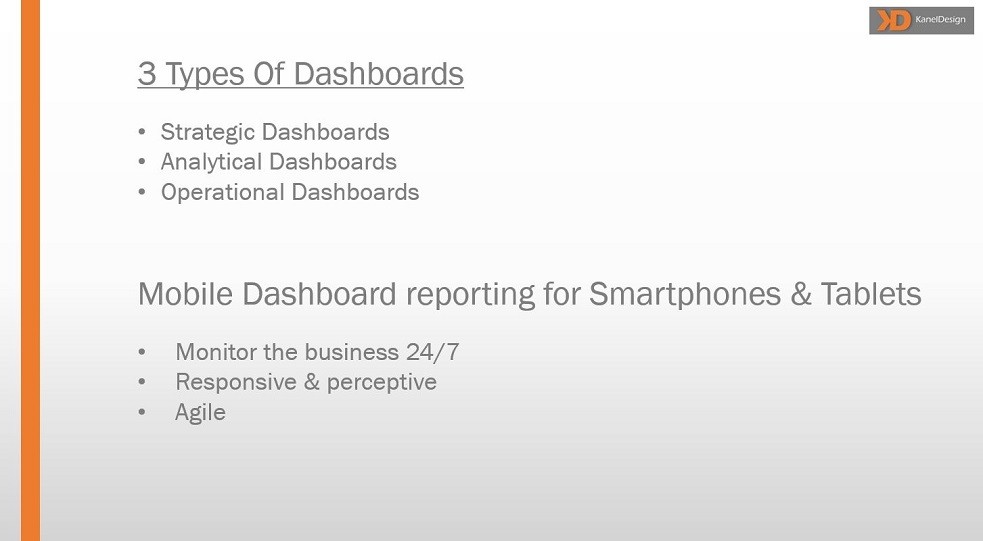
Dashboard is a user interface that organizes and presents information in a way that is transparent and easy to read. Most business dashboards are developed and designed to be interactive to enable the business users to navigate and filter for further analysis. Most tools available aim to integrate information from multiple components into a unified display that is called dashboards.
Integration are needed for the business to be able to collect and display the data from different sources for various departments in the business e.g. finance, operations, sales, marketing etc. There are 3 typical types of dashboards that are used in the business – Strategic dashboards, Analytical Dashboards and Operational Dashboards.
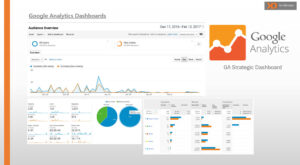
Strategic dashboard – refers to the information provided to the managers and executives to assist them to understand the health of the organization and identify potential opportunities for expansion and improvement.
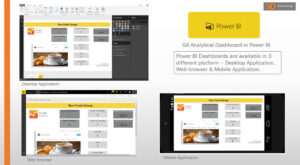
Analytical dashboard – states the trends and impacts to the business by making comparisons across time and multiple variables with the data provided to the business users. To be able to accomplish the business goal, business users needs to be able to understand the trends and why things are happening.
Operational dashboard – is used to monitor real-time operations and alert the users to deviations for the norm. This specific dashboard is important in providing the users with exact information and specific alerts to ensure the operations flow efficiently.
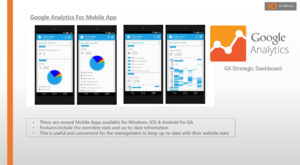
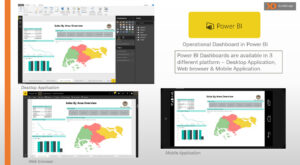
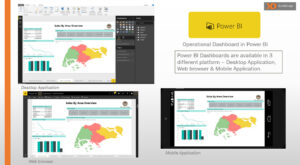
Dashboards reporting are available in desktop application, web browser and mobile application. This give the business users the accessibility to stay on top of their business no matter where they are. Mobile devices are becoming increasingly important in performance monitoring, blending ease of use with real-time reporting providing users with effortless access to business-critical information.
Below are a few types of dashboards that are used in business and the platforms available to access the dashboards.
The benefits of dashboards for the business:
- Save time & money on reporting
This tool allows to view at a glance, an overall situation report of the desired information. No longer needed to spend large amount of time reviewing and analyzing different reports to end in a conclusion. The reports can be programmed to update every hour.
- Fostering continuous improvements
By measuring everything of significance, we can improve the results through the total visibility of your business. By default, this also encourage in increasing the productivity level of the employees when they know exactly where to focus to increase the results which leads to increase in profits.
- Control business decisions by having the right data
Provide a significant opportunity to make your business more efficient and quick to respond to issues and opportunities. Knowing what is working for your business and what’s not.