

Most customers will not remember every social media post your business publishes. But they might remember the one that made them stop scrolling and think, “That’s exactly what I’m worried about.”
That is the difference between content that simply fills your calendar and content that genuinely connects. For small and medium-sized enterprises (SMEs), publishing more is not always the answer. What matters is creating customer-focused content that speaks to real concerns, offers useful answers, and gives people a reason to trust your business.
Key Takeaways
- Start with your customers, not your services. Understand their questions, frustrations, and everyday challenges before planning content.
- Speak like a person, not a brochure. Simple, familiar language makes your message easier to understand and relate to.
- Make every post useful. Your content should educate, reassure, inspire, or help customers make decisions.
- Use emotion and real situations. People are more likely to pay attention when they recognise something they have experienced.
- Give customers a clear next step. Good content builds connection, but a relevant call to action helps turn interest into meaningful action.
What Is Customer-Focused Content?
Customer-focused content is content created around what your audience needs, wants, feels, or struggles with. Instead of constantly talking about your business, it puts the customer’s situation at the centre of your message.
For example, a skincare brand could explain why someone’s skin feels dry despite using moisturiser, rather than simply promoting its latest product. A digital agency could discuss why a business receives plenty of social media likes but very few enquiries. Both examples demonstrate how content marketing can answer real questions while naturally introducing a business as a possible solution.
Why Does Customer-Focused Content Matter?
Imagine someone discovers your business for the first time. They are probably not thinking about how beautiful your Instagram feed looks or how consistently you publish. They are wondering, “Can this business actually help me?”
When your content addresses that question, it becomes more relevant. People have a reason to read, save, share, or explore your business further. Over time, useful content and consistent customer communication can build familiarity and trust, helping potential customers feel more confident about choosing your services.
How Do You Create Content That Connects With Customers?
Creating meaningful content does not require complicated marketing strategies. It starts with understanding your audience, communicating clearly, and making every piece of content purposeful. Here are eight practical steps SMEs can follow.
Step 1: Start With What Your Customers Are Already Thinking
Before creating your next post, think about what your customers might be experiencing. What problems keep appearing in their daily lives? What makes them hesitate before purchasing? What questions do they repeatedly ask your team?
Start with these four questions:
- What problem are my customers trying to solve?
- What worries or frustrates them?
- What questions do they ask before making a decision?
- What information would make their lives easier?
For example, an aircon servicing company could create a post titled “Why Is Your Aircon Still Not Cold After Servicing?” instead of simply advertising its maintenance packages. The first topic addresses a concern that customers may already have, making it a more natural starting point for a conversation.
Step 2: Stop Talking Like a Brochure
Many businesses use professional-sounding language because they want to appear credible. But complicated words and generic claims can make their content feel distant from the people they want to reach.
Compare these two messages:
Business-focused: “We provide professional digital marketing solutions for SMEs.”
Customer-focused: “Posting every week but still getting no enquiries? Your content might not be showing customers what to do next.”
The second message feels more relatable because it starts with a problem the audience recognises. When reviewing your captions, notice how often you say “we” compared with “you”. Your business still deserves to be part of the story, but your customer’s needs should come first.
Step 3: Learn From Content That Already Connects
Sometimes your best content ideas are already sitting in your social media analytics. Look beyond views and likes to understand which posts encourage people to share, save, comment, or take another action. For example, a Cat Home social media post used this emotional opening:
“If one day I’m gone… who will take care of my cat?”
The post recorded:
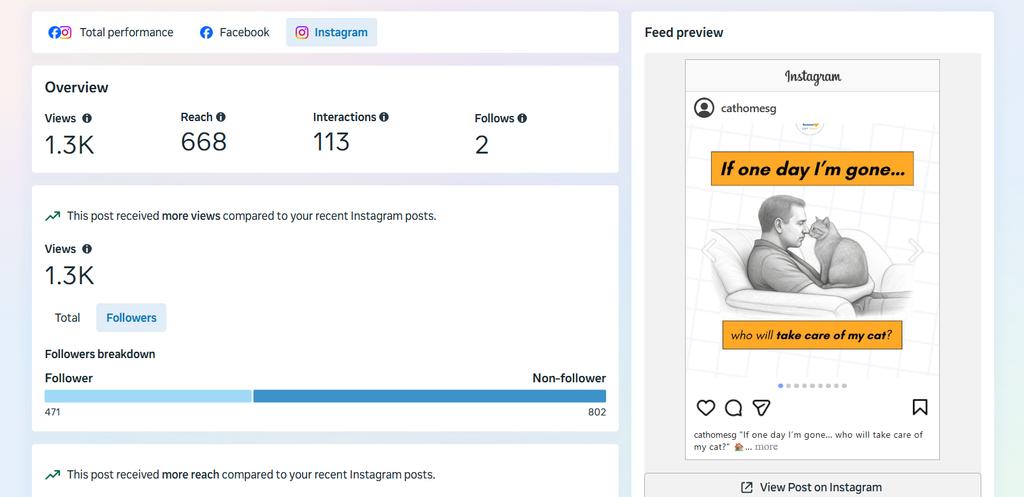
Why might this content have connected with its audience? Instead of beginning with a generic pet-care tip, it introduced a personal concern that some cat owners may have considered themselves. The message encouraged readers to imagine a situation involving someone they care about.
These results show that the post generated several forms of engagement, although the figures alone cannot prove exactly why people responded. For SMEs, the lesson is to test content that reflects customers’ genuine thoughts, emotions, and concerns, then use the results to guide future posts.
Step 4: Turn General Topics Into Relatable Conversations
A useful topic can still struggle to attract attention if its headline feels too generic. Rather than starting with a broad subject, try connecting it to a particular situation your audience might recognise.
For example:
| General topic | More relatable approach |
| 5 Social Media Marketing Tips | You’re Posting Every Week, So Why Are Enquiries Still Quiet? |
| Benefits of Website Design | People Visit Your Website, But Why Does Nobody Contact You? |
| Email Marketing Strategies | People Open Your Emails, So Why Aren’t They Clicking? |
| Aircon Maintenance Tips | Your Aircon Is Running, So Why Is Your Room Still Warm? |
Notice the difference? The relatable headlines introduce a specific problem rather than simply announcing a topic. Once you have their attention, follow through with a useful explanation. A strong hook should never promise an answer that the rest of your content fails to deliver.
Step 5: Use the Words Your Customers Actually Use
Customers rarely describe their problems using technical marketing language. Someone might ask, “Why am I getting website visitors but no enquiries?” while a company describes the same issue as “optimising digital conversion pathways for enhanced acquisition outcomes.”
Both may refer to a similar challenge, but only one sounds like a natural conversation. Effective customer communication uses language that makes people feel comfortable rather than confused. Look for content ideas in your customer emails, online reviews, social media comments, enquiry forms, frequently asked questions, and sales conversations. The exact phrases customers use can become engaging headlines, helpful blog topics, relevant SEO keywords, and captions that feel more personal.
Step 6: Give Every Piece of Content a Purpose
Not every social media post needs to sell something. Some posts should answer questions, explain unfamiliar topics, reassure hesitant customers, or help people compare their options. Think about the questions customers ask at different stages of their journey:
| Your customer is thinking… | Your content should… |
| “What is this?” | Explain the product, service, or topic |
| “Is this relevant to me?” | Educate with practical examples |
| “Can I trust this business?” | Show reviews, experience, or customer stories |
| “Which option should I choose?” | Compare solutions and explain the differences |
| “What should I do next?” | Guide them towards a clear action |
For example, someone researching social media management may first need help understanding why their current approach is not working. They might not be ready to book a service immediately, but a useful article could encourage them to explore your business further.
When you understand the purpose of each post, your content marketing becomes more than a collection of scheduled updates. It starts supporting customers throughout their decision-making journey.
Step 7: Use a Simple Formula to Make Content More Useful
You do not need to reinvent your approach every time you create a post. A simple structure can help you turn everyday customer problems into valuable content.
Problem or emotion → Relatable thought → Useful answer → Practical action
Here is how it works for an SME struggling to generate enquiries.
Problem: “You’re posting every week, but enquiries are still quiet.”
Relatable thought: “Am I doing something wrong?”
Useful answer: “Consistency helps your business stay visible, but your posts also need to address customer problems and explain why your service is relevant.”
Practical action: “Review your recent posts. Which ones received saves, shares, questions, or genuine enquiries? Use those insights to plan your next content topics.”
This formula can be adapted to almost any industry. Whether you are discussing pet care, home services, website design, or email marketing, the goal is the same: help your audience recognise a problem and leave with something useful.
Step 8: Make the Next Step Clear
Imagine someone reads your post, finds the information helpful, and wants to learn more. What happens next? If your content does not provide direction, their interest may end there.
A call to action (CTA) tells people what they can do after reading. But not every post should end with “Buy Now” or “Contact Us Today”. The best CTA depends on what your audience needs at that moment.
For example, an educational post could encourage readers to explore another article. A customer testimonial could invite them to view your services. A post discussing a common business problem could offer a free consultation or encourage them to send a question.
The goal is to make the next step feel helpful, not forced.
How Can You Tell Whether Your Content Is Connecting?
Creating customer-focused content is only the beginning. You also need to understand how people respond, so you can improve your approach over time. Start by tracking a few useful measurements:
- Shares: Are people passing your content to someone who might find it relevant?
- Saves: Do readers want to revisit your tips or information?
- Comments and replies: Is your content encouraging conversations?
- Website clicks: Are readers interested enough to explore further?
- Enquiries and conversions: Is your content contributing to actual business opportunities?
A post with fewer views may still be valuable if it leads to qualified enquiries. Similarly, a post with many likes may create awareness without directly leading to sales. Evaluate performance based on the purpose of the content, rather than judging every post by the same metric.
How Can AI Help You Create Better Customer-Focused Content?
AI tools can help small businesses brainstorm topics, organise ideas, rewrite complicated sentences, or turn one article into several social media posts. This can make the content creation process easier, especially for business owners managing marketing alongside daily operations.
However, AI cannot automatically know what your customers are experiencing. Your experience, customer conversations, frequently asked questions, and business knowledge should still guide what you publish. Use AI to improve your workflow, but let real customer understanding shape your message.
Frequently Asked Questions
1. What is customer-focused content?
Customer-focused content is marketing material designed around your audience’s problems, questions, interests, and needs. Its purpose is to provide relevant information and build stronger connections rather than constantly promoting products or services.
2. How do I make my content more relatable?
Start with situations your customers recognise. Use simple language, real examples, familiar questions, and practical answers. Avoid overly technical descriptions unless your audience genuinely needs them.
3. Does every social media post need a call to action?
Every post should have a purpose, but not every post needs a sales-focused CTA. Some may encourage readers to save a useful tip, share information, read an article, or answer a question.
4. How often should an SME publish content?
There is no perfect posting frequency for every business. Choose a realistic schedule that allows you to create useful content consistently. Publishing fewer, more relevant posts can be more effective than posting every day without a clear purpose.
5. What is the difference between customer-focused content and promotional content?
Customer-focused content begins with what the audience needs, while promotional content primarily highlights what a business offers. Both can work together. An effective promotional post can address a customer problem before introducing the relevant product or service.
6. How do I know what content my customers want?
Review common customer questions, comments, enquiries, testimonials, and social media performance. Pay attention to recurring problems and the language customers use to describe them. These insights can guide future content planning.
Content That Connects Feels Relevant Before It Feels Clever
You do not need every social media post to go viral. You do not need every caption to sound groundbreaking. What matters is whether your audience can recognise something useful, familiar, or meaningful in what you share.
When customers see that your business understands their problems, offers helpful answers, and guides them towards the next step, your content begins to build something more valuable than short-term engagement: trust.
At Kanel Design, we help Singapore SMEs turn everyday business challenges into clearer content strategies, more consistent communication, and social media content that serves a real purpose.
Want your content to do more than fill your calendar? Explore Kanel Design and let’s talk about what better content could look like for your business.